
The Green Martian Social Order
A Princess of MarsThis flow examines the social practices Carter encounters among the Tharks and the fractures that allow suppressed loyalties to survive.
increasing Bearing strength in each event
 decreasing
Bearing strength in each eventdecreasingLife in an Abandoned City
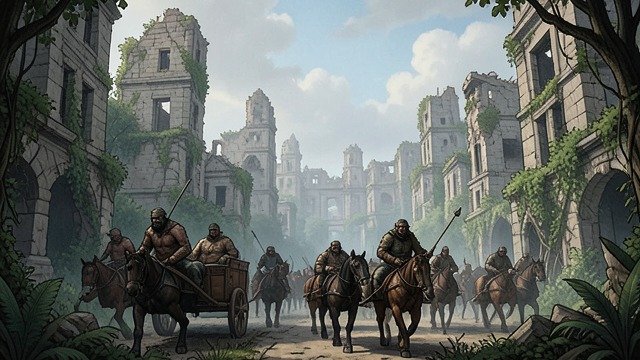
A Nomadic People in Ruins
Ancient buildings occupied
The Tharks live in vast, deserted cities whose scale points to a civilization long gone. They use the structures as shelter without restoring them as homes.
Mobility over belonging
Their community travels with animals, chariots, and children rather than building a settled domestic life. Carter sees a society that has inherited impressive spaces but little attachment to them.
A Life Without Family
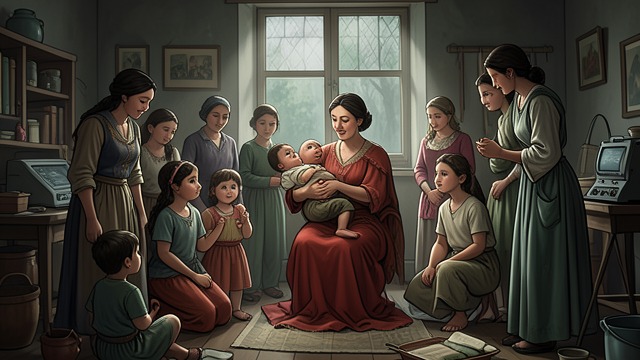
The Community Replaces the Household
Children assigned to adults
Hatchlings are captured and raised by women or older children without regard to biological parentage. The community treats maternity and childhood as matters of collective utility.
Affection discouraged
Carter believes this practice helps explain the Tharks’ lack of sympathy and attachment. Their social order creates efficiency and toughness at the cost of home, kinship, and emotional security.
Women’s Work and War
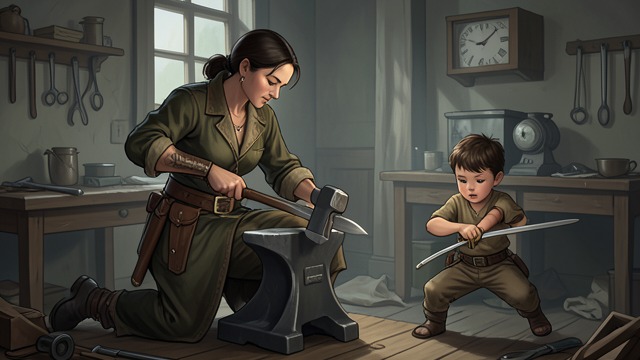
A Divided Social Labor
Manufacturing and instruction
Thark women make weapons, ammunition, and other useful goods, and train the young in arms. Their work sustains the community even though male warriors dominate leadership.
Capability without gentleness
Women can fight with intelligence and ferocity when needed. The system recognizes their practical strength but does not encourage a more compassionate social order.
The Incubator Raid
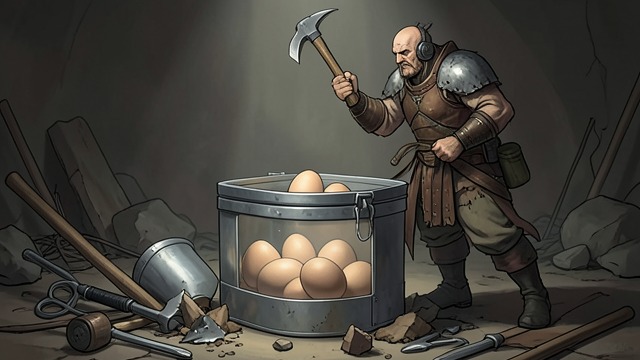
Reproduction Becomes Warfare
A rival site discovered
The Tharks find a recently sealed Warhoon incubator. Its location reveals the movement of a neighboring group and the vulnerability of its future generation.
Eggs destroyed
Tars Tarkas orders the eggs demolished before the party continues. The episode makes clear that conflict between communities threatens not only present warriors but the children expected to sustain their societies.
An Order Begins to Change
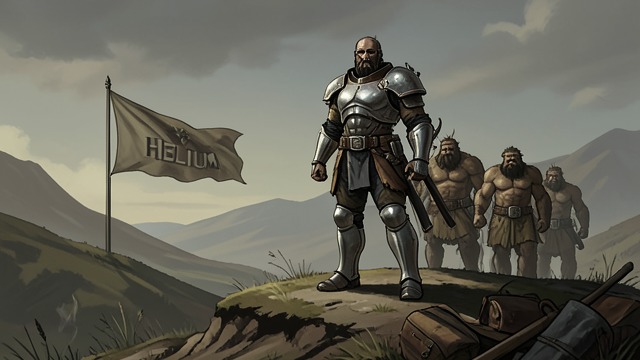
Thark Society at a Crossroads
A leader made by battle
Tars Tarkas replaces Tal Hajus and accepts an alliance with Helium. His rise retains the old combat structure but brings a leader whose personal history includes love, grief, and friendship.
Change remains incomplete
The Tharks celebrate victory and diplomatic recognition, yet their habits of raiding and violence persist. The alliance opens an alternative without proving that an entire society has transformed.
Carter’s arrival at Korad
During Carter’s first account of Thark customs
During Carter’s military training
During the caravan’s journey toward Thark
After the alliance with Helium
